“Is football going to put food on your table?”
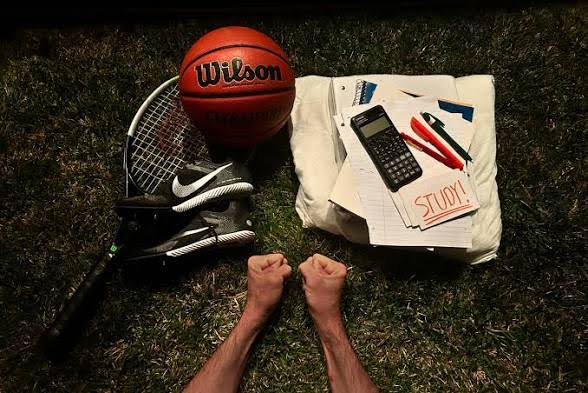
If you grew up in an African home, you’ve probably heard some version of that question. Maybe it was football, maybe it was dance, maybe it was drama club. The answer was always the same: books first, books second, and if there’s any time left over… more books.
I understand it. I really do. Our parents saw education as the only ladder out, and many of us are sitting where we are today because they held that ladder steady. I’m not here to knock that.
But I want to ask a question that might ruffle a few wrappers: what if, by treating sport as a distraction, we’re shutting the door on one of the best classrooms our children will ever walk into?
What sport teaches that most classrooms don’t
A classroom teaches your child what to think. A pitch, a court or a pool teaches them who they are when things get hard. Here’s what I mean.
How to lose and get back up. In an exam, you find out you failed weeks later, in private. In sport, you lose in front of everyone, shake hands, and turn up to training on Tuesday anyway. That is resilience you cannot teach from a textbook.
Discipline – nobody is checking. Nobody marks the 6am session. Nobody grades the extra fifty serves. A child who trains when no one is watching is building the same muscle they’ll need for revision, for a career, for marriage, and for faith.
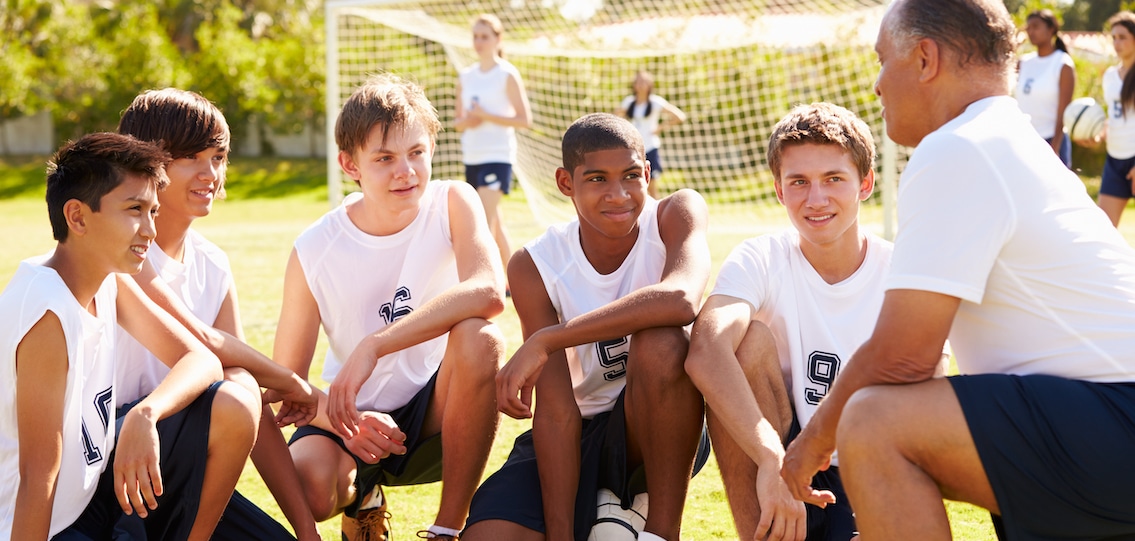
Working with people you didn’t choose. A team is not a friendship group. Your child has to trust the teammate who annoys them and follow a captain they don’t always agree with. Hello, every workplace ever.
Pressure, in real time. The last kick of the match. Match point at 10–10. Learning to breathe, focus and execute when your heart is pounding is exactly what an interview, a presentation or a surgery will one day ask of them.
A healthy relationship with their body. At 13, I didn’t like myself much. Moving my body changed that, and it has carried me through the decades since. Sport gives teenagers a reason to value what their body can do, not just how it looks. In an age of filters and comparison, that is no small thing.
Somewhere to put the stress. Teenagers carry a lot. Exams, friendships, social media, hormones, and sometimes the weight of our expectations. Sport is a safe place to let some of it out.
It was never books or boots
Here’s the fear sitting underneath it all: “If my child spends time on sport, their grades will suffer.”
Let me tell you what happened in my house. My son led his rugby team to a Scottish U18 final win, scoring a hat-trick — 21 of the team’s 26 points — in a final the school hadn’t reached in 20 years. He’s now off to a top university to study mechanical engineering. My daughter plays table tennis for Scotland and trains on the GB pathway. Both have strong grades.
That isn’t despite sport. A lot of it is because of sport. When your training schedule is tight, you learn to plan your revision. You stop wasting evenings. You learn that effort compounds. The same drive they bring to the pitch shows up at the desk.
And when they sit across from a university admissions tutor or an employer, the grades get them in the room. The stories of leadership, teamwork and grit are what make them memorable.
So why do we resist it?
Let’s keep it real. Some of it is love. We’ve seen how hard the world can be for people who look like us, and we want our children armed with every certificate going.
Some of it is fear of the unknown. Doctor, lawyer, engineer — we know those roads. “Athlete” feels like gambling with their future.
And if we’re honest, some of it is the WhatsApp group. Nobody wants to be the aunty whose child “is just playing ball” while everyone else is posting grade 9s and offer letters.
But here’s the thing: most children who play sport won’t go pro, and that’s fine. That was never the point. The point is the person sport turns them into.
What intentional parents can do differently
You don’t have to swap the textbooks for trainers. You just need balance. A few shifts that make a real difference:
- Ask what they love, not just what they’re good at. Commitment grows from enjoyment. Let them try a few things before they settle.
- Treat training like a lesson, not a treat. Don’t make sport the first thing cancelled when grades dip. Help them plan their week so both fit.
- Show up. Sit on the sidelines in the rain. Your presence tells them this matters to you because it matters to them.
- Talk about the lessons, not just the score. “How did you handle it when you went 2–0 down?” teaches more than “Did you win?”
- Model it. Our children copy what we do, not what we say. If they see you moving your body, prioritising your health and keeping your commitments, they’ll follow. I’m convinced my kids’ drive came partly from watching me lace up my trainers five days a week.
- Keep the boundaries. Sport doesn’t replace homework, chores, church or family time. Rules and relationships are always together.
A question to sit with
Our parents gave us the gift of valuing education. Let’s keep that gift and add to it.
The world our children are heading into doesn’t just reward what they know. It rewards how they handle pressure, how they work with others, how they bounce back and how they look after themselves. A lot of that is being taught right now, on a muddy pitch or a sweaty sports hall floor.
So next time your child asks to join the team, before you say, “Focus on your books,” ask yourself: what might this teach them that no classroom can?
I’d love to hear from you. Was sport encouraged or discouraged in your home growing up? And what are you doing differently with your own children? Drop it in the comments, or send me a message at letstalk@kiro.coach.
— Oyin, Keeping It Real with Oyin