If you’ve ever felt squeezed by life, work, errands, schedules, screens, siblings, and the million demands pulling you in every direction, you are not alone. Parenting is messy, but there’s one secret weapon that consistently pays off: intentional one-on-one time with each child.
What “one-on-one time” really means
It’s not about exotic trips or picture-perfect outings. It’s simply blocks of time when it’s just you and them, with as few distractions as possible (yes, devices off!). It doesn’t need to be long. Even 8–15 minutes a day can shift the vibe. (Champion Your Parenting)
What matters more than minutes is quality, meaning you’re present, listening, engaging, and not multitasking. Research shows that more frequent high-quality interaction (not just time spent) is linked to stronger parent–child relationships and greater wellbeing for kids. (PMC)
The Payoff: What Science & Stories Say
Let me lay down a few truths backed by studies, then you decide if this is worth the investment (spoiler: it is).
- Children who experience more parent interaction (especially “accompanied time”) report higher life well-being. (PMC)
- It’s not just how much time, but how you use it. When quality is low, even long hours don’t strengthen the bond. (PMC)
- One-on-one communication is valued for children. This reduces attention-seeking behaviour and sibling rivalry. (fathers.com)
- Kids with stronger emotional bonds to parents tend to do better in school, have better self-esteem, and are more resilient. (firstfiveyears.org.au)
- During adolescence, as kids pull away socially, that one-on-one time becomes even more important for relational connection rather than supervision. (MDPI)
So yeah, when you carve out time, you’re not just “hanging out”. You’re investing in their sense of safety, value, and identity.
The Real Struggle: Why It Feels Hard
- We’re busy. Work, chores, lessons, sports, and screens — they all squeeze the hours.
- Guilt creeps in (“I should already be doing more!”). That pressure kills joy.
- Teens push distance; younger kids demand constant attention; siblings compete.
- It’s tempting to multitask (check messages while “spending time”) — but that dilutes the magic.
But here’s the reality: imperfect effort beats perfect nothing. Even 5 focused minutes matter. You don’t have to drop everything. You just have to show up consistently.
Practical Ideas: What You Can Do, Starting Today
Here are activity ideas, tuned for both younger and older kids. The key is to let them lead sometimes, follow their interests, and enjoy the ride.
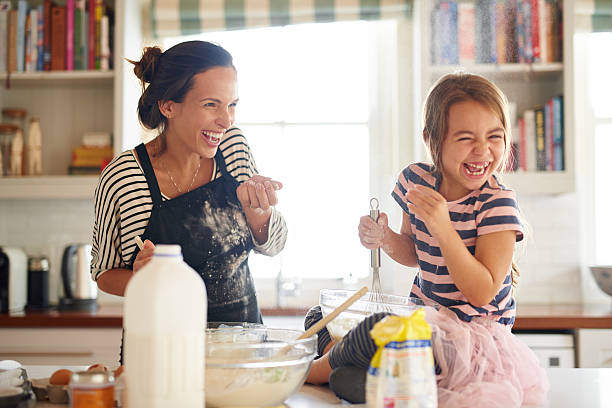
For Younger Kids (say ages 3–10)
- Story improvisation: You start a line (“Once upon a time a giraffe flew to London”) and take turns adding lines.
- Scavenger hunt (indoors or outdoors) — you give clues or make the map together.
- Building or Lego time: you and your child build something of their choice. Let go of perfection.
- Nature walks with “micro-missions”: find 5 different leaves and insects and track a bird.
- Cooking or baking together: pick a simple recipe. Let them stir, measure, and be your sous-chef.
- Art or craft session: painting, collage, clay. No instructions — free creativity.
- Quiet time together: reading side by side, drawing, or just chatting about “if you could…” scenarios.
(Sometimes silence is golden.)
These ideas align with child-led play and connection foundations. (Thrive)
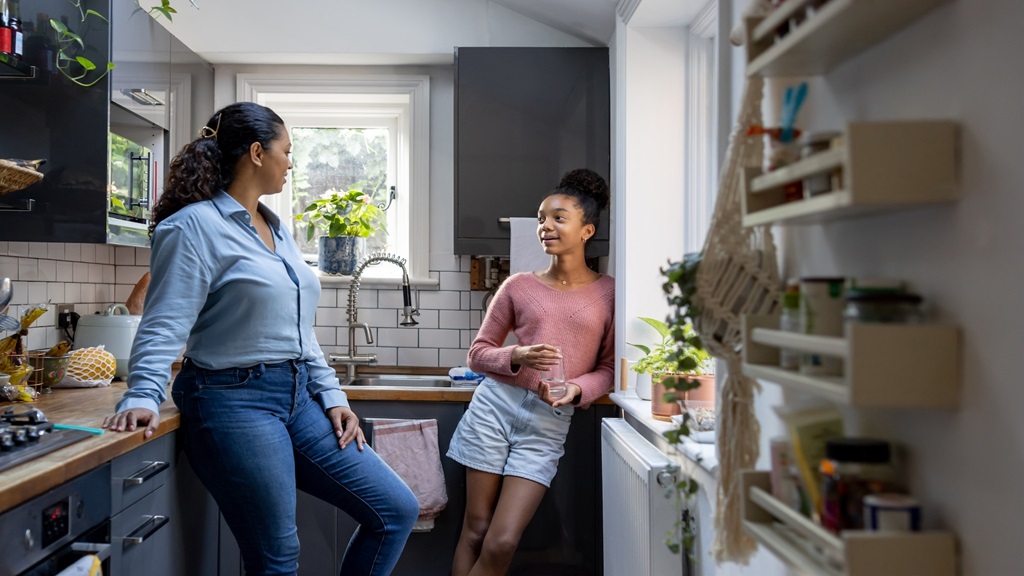
For Older Kids / Teens (say 11–18)
- Cook a meal or bake a treat together; pick a cuisine neither of you knows.
- Go for a hike, bike ride, or walk, with no agenda, just talking.
- Music or concert outing: see a show together or swap playlists and talk about the lyrics. (Her Life Sparkles)
- Project together: redecorate a room, build something, start a small garden.
- Volunteer together: Help in a community project, animal shelter, etc.
- Game challenge: board games, strategy games, or friendly video game sessions (on their turf).
- Book club just of two: read a short story or article and share thoughts.
- Photography or “daily photo challenge”: you each take a picture a day of something meaningful and share over dinner.
- Deep conversation prompts: “What would you change in the world?” “What scares you?” — You share, they share.
Plenty of sources suggest these kinds of deeper, shared-experience activities for teens. (Grown and Flown)
Tips to Make It Stick (Because You’ll Need Them)
- Schedule it
Put it in your planner or calendar. Make it visible (fridge, phone reminder). Knowing there’s a date helps both of you. (Anastasia Corbin) - Keep it short & sweet.
Especially in busy seasons, 5–10 minutes is better than waiting for a “perfect hour” that never comes. (Champion Your Parenting) - Device off, full presence
Turn off or silence your phone. If the child sees half your attention is elsewhere, it loses impact. - Let them pick the activity sometimes.
Asking, “What do you want to do with me?” signals empowerment and shows you care about their interests. - Be flexible
Some days are harder. If something planned doesn’t work, pivot — maybe just sit and talk or walk together. - Be consistent, not perfect.
If you miss a session, don’t guilt-trip — resume the next day. Over time the routine builds trust. - Use “micro-moments”
If big blocks are hard, steal 5 minutes during car rides, while waiting in line, or before bedtime to have uninterrupted chats. - Track & reflect
Occasionally ask: “Which of our times together did you enjoy most? Why?” Adjust accordingly.
Let’s Keep It Real)
There will be seasons when it feels pointless. Teen eyes roll. Schedules break. You miss a day. The house is messy. But here’s the truth: those small deposits into their emotional bank account compound. When life gets messy (and it will), kids with a foundation of relational safety are more likely to come back, share with you, lean on you, and trust you.
You don’t need to engineer magic; just show up. Stay curious. Celebrate their weirdness. Laugh together. Mess up sometimes. Apologise. Love them deep.