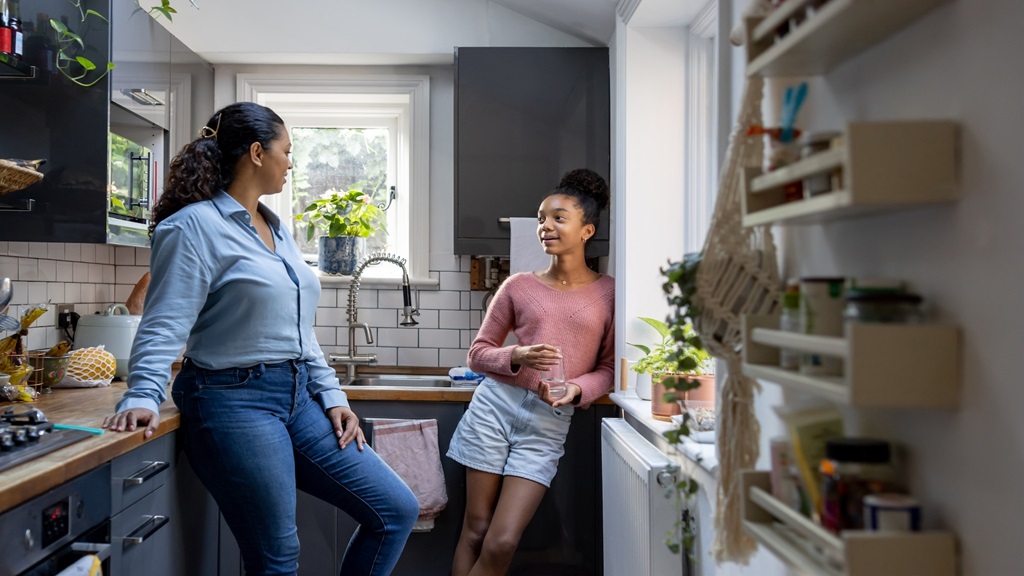
I was a tough mum. Not because I enjoyed being strict, but because after years of supporting teens and parents, I’d seen the good, the bad, and the ugly of parenting… and I was determined to get it right at home.
So I embraced intentionality. I set non-negotiables. I insisted on respect. Hard work. Discipline.
- From age 4, major chores.
- Clear consequences.
- Minimal repeating. I said it once.
- School effort: non-negotiable. If you’re not doing well, you keep at it until you improve.
Some might call that extreme. Maybe they’d say harsh. But over time, I’ve seen what happens when those early “training wheels” are strong. The payoff is huge.
What the Research Says About Parenting Styles
To understand why some of what I did works, it helps to see what psychologists have found about parenting styles and child outcomes.
Psychologist Diana Baumrind identified four main parenting styles, based primarily on two dimensions: demandingness (setting rules, expectations, discipline) and responsiveness (warmth, communication, emotional support).
- Authoritative: high demandingness + high responsiveness — firm but warm, rules + rationale.
- Authoritarian: high demandingness + low responsiveness — strict rules, less warmth or emotional connection.
- Permissive: low demandingness + high responsiveness — warmth, few rules.
- Neglectful / Uninvolved: low on both.
Grit, Resilience & Early Foundations
One of the strongest arguments for being “tough” early is grit: the ability to persist through challenges, push through discomfort, and keep working when things are hard.
- A study of children aged 3-6 found that grit increases strongly with age and is measurable even in early childhood. (PubMed)
- Another study showed that a parent’s own grit and parenting style correlate with how well toddlers (18-21 months) show effortful control — which is a precursor to grit. (PubMed)
What this suggests: the values you instil early — perseverance, follow-through, discipline — are not just “nice extras”. They lay the neural and character foundations for how children handle future challenges.
What Works Best (And What’s Risky)
From the research:
- Children raised by authoritative parents tend to show the best overall outcomes — higher school success, better peer skills, higher self-esteem, and more social competence. (Encyclopaedia Britannica)
- Styles that are overly strict without warmth (authoritarian) or overly permissive without expectations tend to yield mixed or negative outcomes: anxiety, low emotional well-being, and poorer self-regulation. (Verywell Mind)
- Harsh physical discipline has been linked to externalising behaviours (acting out, problems with aggression), internalising problems (depression, anxiety), and reduced autonomy in adolescence. (PubMed)
Putting My Approach Into the “Authoritative with Grit” Framework
What I tried to do with my kids was not purely authoritarian. Yes, there were firm rules and high expectations (demandingness), but also support, love, and letting them know why these values matter. That mix is what the research suggests produces strong results.
Some of the practices I used, backed by what’s supported by studies:
- Consistency of consequences. (If there’s a rule, there’s a follow-through.)
- Rational explanations (even if brief) so kids know why things matter.
- Incrementally letting go as they become more capable (training wheels off).
- Encouraging grit through small challenges early: chores, tasks, pushing themselves in school.
What It Might Look Like In Teenage Years & Why It Pays Off
When the foundations are strong:
- Teenagers become more self-motivated; they don’t need you to push as much; they push themselves.
- They usually develop resilience: meeting setbacks, density in school or relationships, and bouncing back.
- Emotional regulation tends to be better when discipline isn’t only about punishment but is tied with respect, accountability, and relationship.
Potential Pitfalls & What to Balance
Being “tough” can go wrong if it becomes:
- Too rigid, with no room for mistakes or exploration.
- Cold or unresponsive: children don’t just need rules; they need emotional safety.
- Too much pressure without support: burnout, perfectionism, anxiety.
It’s a dance: being firm and compassionate. Setting high standards and letting kids be human.
Final Thoughts: Why It’s Worth It
Getting the foundations right early isn’t about being a “tough mum” to brag or to control. It’s about cultivating character, resilience, grit and preparing kids for life long after we can’t hold their hands.
To be honest, being tough was sometimes emotionally hard for me because there were times I just wanted to give in and make things easier for my kids, but what kept me on course was the long-term vision I had for them, so I stayed the course even when it pulled at my heartstrings.
So my question to you is: are we making things too easy for kids today? Or are we just not intentional enough about the standards we set, the boundaries, and the work ethic, or do we just not have a long-term view of how we want our kids to turn out?
What do you think?