If you’d told me a few years ago that some parents were skipping Christmas gifts altogether, I’d have raised an eyebrow.
No gifts? For the kids? At Christmas??
But here we are—and more families than ever are doing exactly that. Not because they’re mean. Not because they don’t care. But because they’re tired… and thinking more deeply about what they’re actually teaching their children.
This isn’t about being anti-fun or anti-Christmas.
It’s about being intentional.
The Quiet Shift Happening in Families
There’s a growing movement towards fewer gifts and more experiences—and it’s not hard to see why.
Parents are overwhelmed.
Homes are cluttered.
Kids are overstimulated.
And many of us are questioning whether the more, more, more culture is really serving our families.
For some parents, the realisation hits when their child opens present after present, only to move on within minutes. For others, it’s the financial pressure, the comparison trap, or the emotional crash that follows the festive high.
So families are asking a bold question:
What if we did this differently?
What Are We Really Teaching With Gifts?
Before anyone panics—this isn’t about shaming gift-giving. Gifts can be beautiful, meaningful, and joy-filled.
But they’re also powerful teachers.
They can teach:
- Gratitude… or entitlement
- Patience… or instant gratification
- Connection… or consumption
And kids are always learning—even when we’re not consciously “teaching.”
When Christmas becomes all about what I got, we miss the opportunity to model:
- Appreciation
- Togetherness
- Values
- Presence
Intentional parenting asks us to pause and reflect, not follow tradition blindly.
Presence Is Harder Than Presents
Let’s be honest—buying gifts is often easier than being present.
Presence requires:
- Emotional availability
- Time
- Energy
- Patience
It means sitting down, playing the game, having the conversation, going for the walk, and listening properly. And in a world where parents are juggling work, parenting, finances, and life, presence can feel exhausting.
But it’s also what our children remember.
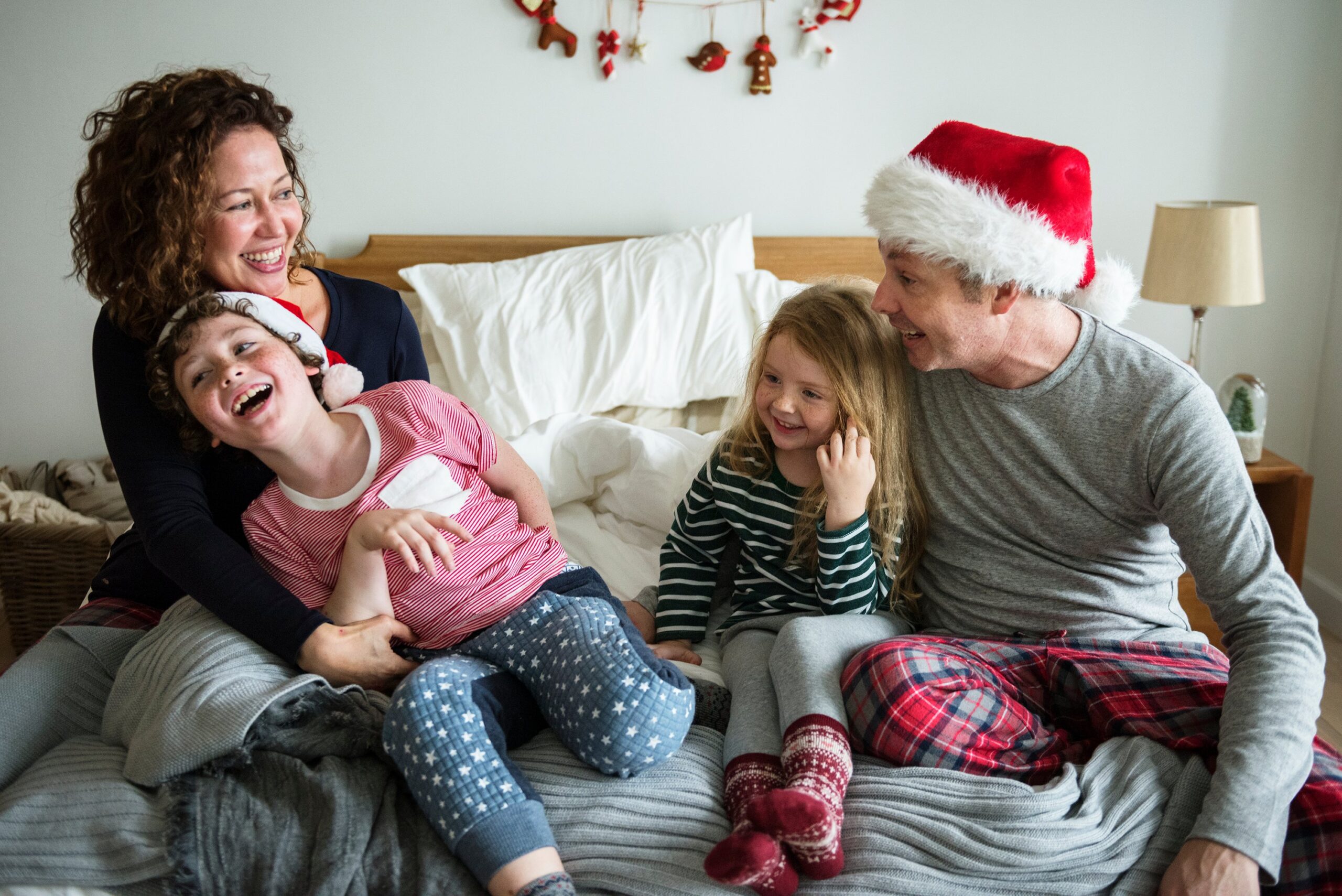
Ask adults what they recall most about their childhood holidays, and you’ll rarely hear a detailed list of presents. You’ll hear about:
- Family traditions
- Laughter
- Arguments and repairs
- That one moment that made them feel safe, loved, or seen
This Looks Different for Every Family
Choosing presence over presents doesn’t have to mean no gifts at all.
For some families, it looks like this:
- One meaningful gift instead of many
- A shared family experience (a trip, a show, a day out)
- A “want, need, wear, read” approach
- Creating memories instead of filling stockings
For others, it means involving the kids in the decision:
“What would make this Christmas feel special for us?”
And that conversation alone can be powerful.
What About Kids’ Expectations?
This is the part many parents worry about—especially with older kids and teens.
Here’s the thing: children can handle change when they feel included, respected, and emotionally safe. What they struggle with is sudden decisions with no explanation.
Intentional parenting doesn’t say:
“This is how it is. Deal with it.”
It says:
“This is why we’re choosing this, and we want to hear how you feel about it.”
That doesn’t mean kids won’t be disappointed at first. Disappointment is part of life—and learning to navigate it is a skill, not a failure.
The Bigger Picture
This trend isn’t really about Christmas at all.
It’s about:
- Reducing stress in families
- Teaching values over visuals
- Raising emotionally aware kids
- Creating homes that prioritise connection
In a world constantly telling our children they need more to be happy, choosing presence is quietly revolutionary.
A Question Worth Sitting With
As this season approaches, here’s a gentle question—not a rule, not a judgement:
What do I want my child to remember about this Christmas?
Not what they opened.
Not what it looked like on Instagram.
But how it felt.
That answer might guide your choices more than any trend ever could.
And if you’re feeling torn, unsure, or just tired—you’re not failing. You’re thinking. And that’s where intentional parenting always begins.