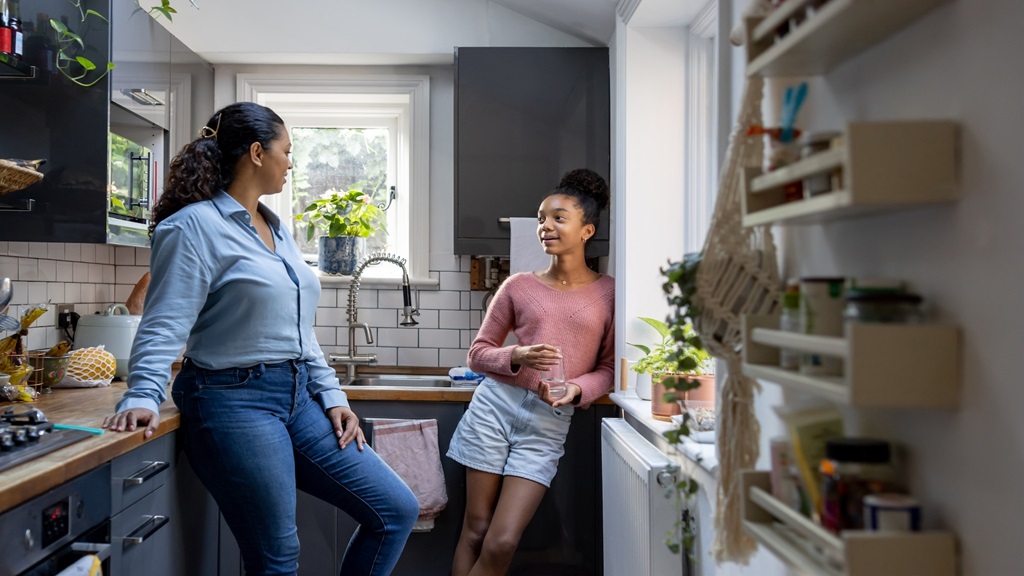
The first episode of Keeping It Real with Oyin, aired on Monday. We stepped into one of the most charged conversations in parenting: strict parenting. It’s a style that’s been praised, criticised, debated, and dissected, but what does it actually mean for teenagers and the families raising them?
You know the type:
“Because I said so.”
“My house, my rules.”
“No phone, no friends, no joy.” (Okay, slight exaggeration… but you get the vibe.)
The big question is:
👉 Is strict parenting the secret sauce for raising respectful, disciplined children?
👉 Or does it quietly breed fear, resentment… and Oscar-worthy lying skills?
I’m a self-professed strict parent that’s evolving every day, so join me as we unpack this with honesty, heart, and no filter.
Let’s keep it real.
Strict vs Control: Same Thing or Nah?
Being strict isn’t automatically bad. Boundaries are necessary. Seatbelts exist for a reason. Curfews are not a personal attack on freedom.
But there’s a point where structure turns into control.
Structure says:
“I care about your safety and your future.”
Control says:
“I need to feel in charge at all times.”
And teens can smell the difference, like jollof on a Sunday afternoon.
When rules come with zero explanation and zero room for conversation, they stop feeling like guidance and start feeling like prison bars. That’s when you get:
✔ Obedient kids on the outside
✔ Confused or resentful kids on the inside
And sometimes… very sneaky kids in between.
The Obedience Trap
Strict parenting can look successful at first:
✔ Homework done
✔ Chores completed
✔ No talking back
But here’s the uncomfortable truth:
Obedience is not the same as understanding.
Some teens behave because:
- They’re scared of consequences.
- They don’t want to disappoint.
- They just want peace.
Not because they actually agree with the rule or understand it.
That’s how you end up with a teenager who:
- Tells you what you want to hear
- Lives a completely different life outside the house
- And suddenly “forgets” to mention certain activities 👀
Not because they’re bad kids… but because honesty feels unsafe.
When Strict Turns Into Stress
Teens raised in very strict environments can struggle with things like:
- Anxiety
- Low confidence
- Fear of making mistakes
- Feeling like love is conditional on performance
They start to believe:
“If I mess up, I lose love.”
“If I fail, I’m a disappointment.”
“If I tell the truth, I’m in trouble.”
That’s a heavy emotional backpack for a 14-year-old to carry.
And let’s be honest… teenagers already carry enough emotional luggage without us adding extra bricks.
But Let’s Be Fair: No Rules = Chaos
Now before anyone throws this blog at me like a slipper…
Let’s be clear:
No boundaries is not the answer either.
A home with:
- No expectations
- No structure
- No consequences
It is basically a training camp for entitlement and confusion.
Kids still need:
✔ Limits
✔ Guidance
✔ Accountability
They just don’t need dictatorship.
So What’s the Sweet Spot?
The magic middle ground is firm but human.
Instead of:
“Because I said so.”
Try:
“Here’s why this rule exists.”
Instead of:
“My way or nothing.”
Try:
“Let’s talk about what’s fair and safe.”
Instead of:
“You’re in trouble.”
Try:
“Let’s learn from this.”
That’s how discipline becomes teaching, not just punishment.
What Teens Really Want (But Won’t Say Out Loud)
Most teens don’t want wild freedom.
They want:
- To feel trusted
- To feel heard
- To feel safe making mistakes
- To feel like home is a place of grace, not fear
They want to know:
“I can mess up and still be loved.”
“I can be honest and still be safe.”
“I can grow without being controlled.”
And when teens feel that?
They don’t just behave.
They own their behaviour.
Final Real-Talk Thought
Strict parenting often comes from love. From fear. From wanting better for our kids than we had.
But parenting isn’t about raising robots who follow commands.
It’s about raising humans who can think, choose, and stand on their own two feet.
So maybe the question isn’t:
“Am I too strict?”
But:
“Am I building fear… or building trust?”
That’s the real work.
That’s intentional parenting.
That’s keeping it real.
If you want to listen to the unfiltered chat between my friend Alice and I, why not listen on Spotify ?